

Smart home technology promises convenience, savings, and a little bit of everyday magic, but with so many gadgets available, it is hard to know where to start. The trick is to begin with a few genuinely useful devices rather than trying to automate everything at once. Here are the smart home gadgets that are actually worth it for beginners.
For most people, a smart speaker with a voice assistant is the natural starting point. It lets you control other devices, set reminders, play music, and answer questions hands-free, and it acts as a central hub for your smart home. Beginning with one device makes smart home for beginners far less intimidating, since you learn how everything connects before expanding. It is affordable and immediately useful on its own.
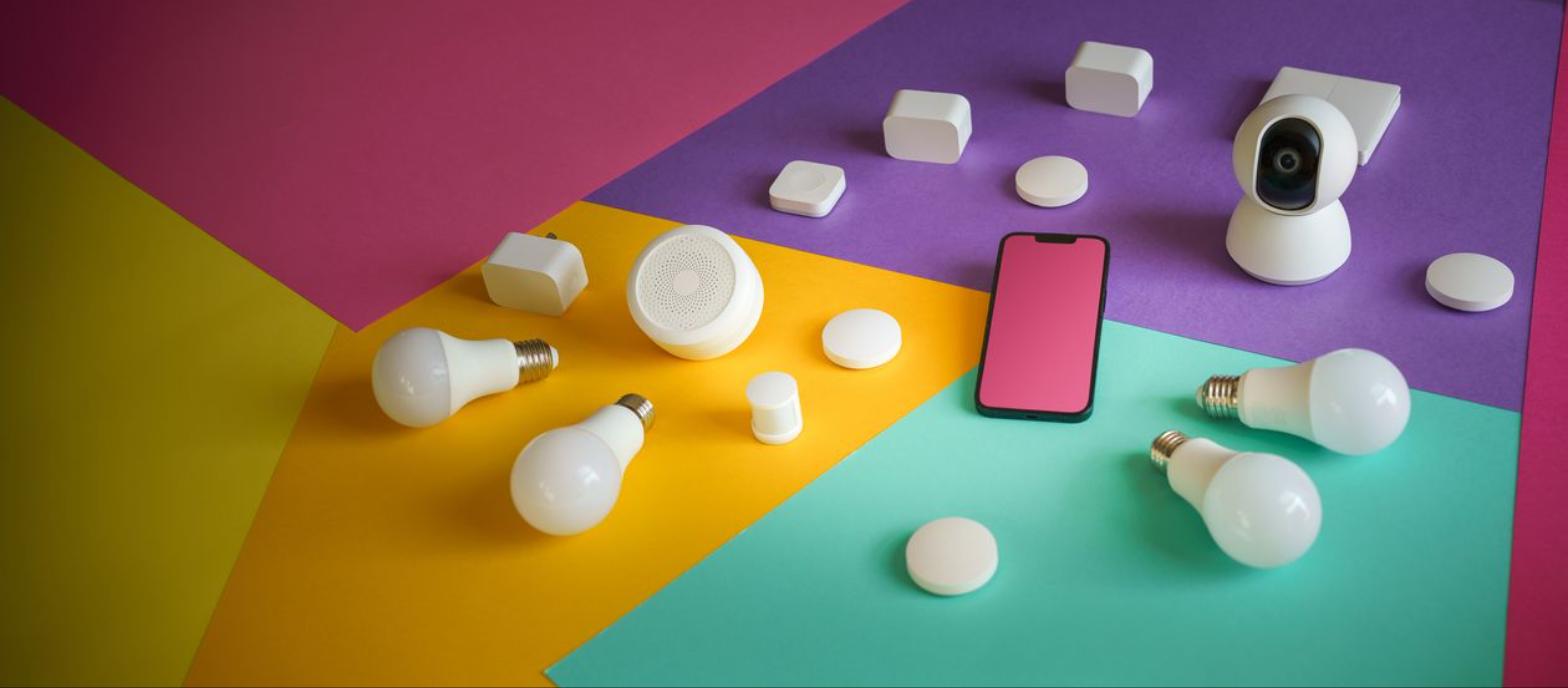
Smart bulbs are one of the best-value entry points into home automation basics. You can dim them, change their colour, schedule them, and control them by voice or app, all without any wiring. Setting lights to come on at sunset or gradually brighten in the morning adds real everyday convenience. Start with one or two rooms, and you will quickly see why smart lighting is among the most popular first upgrades.
Smart plugs are affordable, simple, and surprisingly useful. They turn any ordinary appliance, a lamp, a fan, a coffee machine, into a controllable smart device. You can schedule them, switch them on or off remotely, and even monitor energy use. For beginners, they are among the best smart home devices because they deliver instant usefulness with almost no setup and no technical knowledge required.
If peace of mind is a priority, a video doorbell or a simple indoor camera is a worthwhile early addition. Seeing who is at the door or checking on your home from your phone adds genuine reassurance. These are useful smart devices that solve a real problem rather than just adding novelty. Start with one, make sure it suits your needs, and expand your setup from there if you find it valuable.
Before buying, check that your chosen gadgets work with the same ecosystem or voice assistant. Sticking to compatible devices keeps everything controllable from one app and avoids frustration later. A little planning here saves you from ending up with gadgets that will not talk to each other, which is the most common beginner mistake in building a smart home.
The smartest approach is to add devices slowly. Start with one or two, get comfortable, and expand only when you find a genuine use for the next gadget. This keeps costs manageable and ensures every device earns its place. A thoughtful, gradual setup is far more satisfying than a cupboard full of gadgets you never quite got working.
For beginners, the smart home gadgets worth buying are a speaker or hub, smart lighting, a couple of smart plugs, and a simple security device, all kept within one compatible ecosystem. Start small, build up, and let each addition solve a real need. For more tech tips and guides, explore Tripziva.