
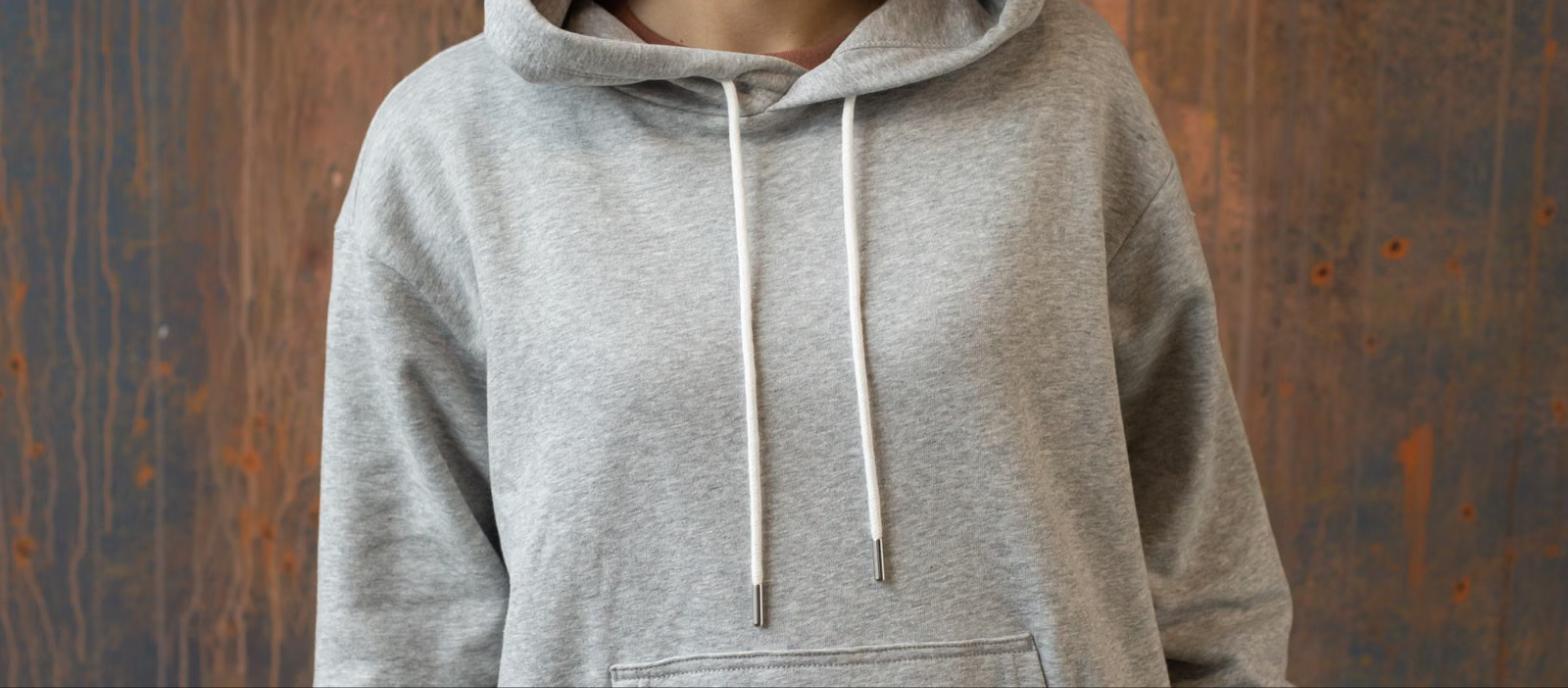
Learning how to buy quality clothes is one of the best investments you can make in your wardrobe, and it starts with knowing what separates a piece that lasts for years from one that falls apart after a few washes. Basics such as tees, jumpers, trousers, and shirts form the backbone of almost every outfit, so it pays to choose them well. This quality basics guide walks you through the practical signs of well made clothing, from fabric and stitching to fit and finish, so you can shop with confidence and stop wasting money on items that let you down. Once you know what to look for, you will build a smaller, stronger collection of pieces that feel good, look good, and stand the test of time.
Quality basics are the pieces you reach for again and again, which means they take the most wear and show the most damage over time. A budget tee might look fine on the hanger, but after a handful of washes it can pill, twist at the seams, and lose its shape, leaving you shopping for a replacement within weeks. A well made version costs more upfront yet often works out cheaper per wear because it survives years of regular use. Investing in quality also changes how getting dressed feels: when your foundation pieces fit properly and hold their shape, everything you layer on top looks more polished. Rather than chasing trends, building a core of dependable basics gives you a wardrobe that quietly works hard every single day, and that reliability is exactly why learning to judge quality is worth your time.
Fabric is the first thing to check when you want to buy quality clothes, because it determines how a garment feels, drapes, and wears. Start by reading the composition label: natural fibres such as cotton, linen, wool, and silk tend to breathe better and age more gracefully than budget synthetics, though high-quality blends have their place too. Hold the fabric up to the light, and if you can see straight through a supposedly opaque piece, it is likely thin and prone to wearing out fast. Give it a gentle stretch and watch how it recovers; good fabric springs back rather than staying baggy. Rub it between your fingers to judge the weight and hand-feel, since substantial, tightly woven cloth usually signals durability. Finally, scrunch a corner in your fist and release it: fabric that bounces back without deep creases will look fresher for longer and need less fuss to maintain.
Construction is where well made clothing quietly proves itself, and the seams are the clearest place to look. Turn the garment inside out and examine the stitching: tight, even, straight lines with plenty of stitches per inch point to careful workmanship, while loose, crooked, or gaping seams are a warning sign. Check that seam allowances are generous rather than trimmed to the very edge, because a little extra fabric inside means the piece can withstand stress without unravelling. Finished seams, such as overlocked or French seams, resist fraying far better than raw edges. Pay attention to stress points too, like the underarms, pockets, and waistband, where reinforced or bar-tacked stitching adds real durability. Loose threads everywhere, puckered fabric, and mismatched patterns at the seams all suggest a rushed, low-cost make that is unlikely to last, so let the inside of a garment guide your decision as much as the outside.
Even the finest fabric disappoints if the fit is wrong, so always try a basic on and move around in it before you buy. Raise your arms, sit down, and reach forward to check that the piece stays comfortable and does not gape, ride up, or strain across the shoulders. Well made clothing is cut with care, so shoulder seams should sit neatly at the edge of your shoulder, hems should be even all the way round, and buttons should fasten without pulling. Look closely at the small details that reveal a maker’s standards: buttons that are securely sewn and sometimes backed with a spare, smooth zips that glide rather than catch, and patterns or stripes that line up cleanly across seams and pockets. Linings should lie flat, and any topstitching should be crisp and consistent. These finishing touches rarely shout for attention, but together they separate a garment built to last from one made purely to hit a low price.
If your budget is limited, put your money where it works hardest by upgrading the wardrobe staples you wear most often. A crisp white shirt, a well-cut pair of trousers, a pair of jeans that flatter your shape, a versatile knit, and a plain tee in a durable weight will each earn their place many times over. Because these pieces anchor so many outfits, spending a little more to get them right pays off quickly in both cost per wear and how put-together you look. Neutral colours are the safest first investments, since they mix effortlessly with everything else you own and rarely date. Once your core is solid, you can add more expressive or seasonal pieces knowing they have a dependable foundation to sit on. Building slowly and choosing well is far smarter than filling your wardrobe with budget items you will replace again and again within a year.
Knowing what to look for when buying quality basics turns shopping from a gamble into a skill. By checking the fabric, inspecting the seams, testing the fit, and studying the small finishing details, you can spot well made clothing quickly and avoid the pieces that fall apart. Focus your budget on the wardrobe staples you wear most, choose natural and durable materials, and treat each purchase as a long-term addition rather than a throwaway. Over time this approach leaves you with a leaner, higher-quality wardrobe that costs less per wear, looks more polished, and needs replacing far less often. Quality really does pay for itself, and once you train your eye you will never look at a bargain rail the same way again. Revisit this guide whenever you are about to buy a new basic, and let these simple checks help you invest in pieces that truly last. For more style tips and inspiration, explore Tripziva.