
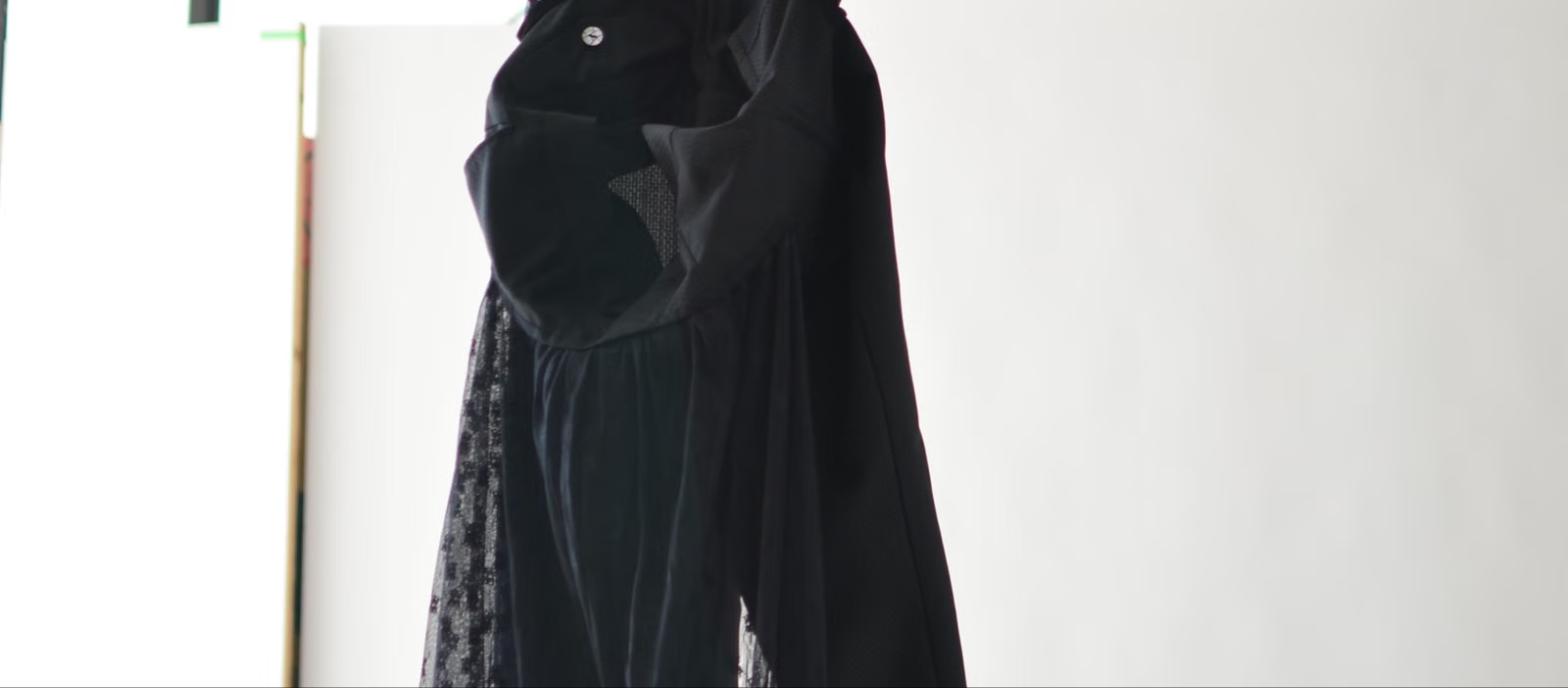
One of the smartest style skills you can learn is how to style a dress so it works far beyond a single event. A well-chosen dress is one of the most versatile pieces in your closet, yet many of us wear ours only once or twice before it disappears to the back of the wardrobe. The truth is that the same dress can carry you from a morning meeting to a dinner date, from a casual weekend brunch to a formal celebration, all with a few thoughtful changes. Learning to dress up or down with layers, shoes, and accessories means you get far more value from every piece you own and always have something to wear. In this guide we will walk through practical, repeatable ways to restyle a dress so one dress delivers many looks for almost any occasion.
A single dress that you can wear many different ways is one of the most efficient buys in fashion. Instead of hunting for a new outfit every time an occasion pops up, you build a small set of styling tricks that turn one piece into a whole wardrobe of looks. This approach saves money, reduces closet clutter, and cuts down on the stress of getting dressed. It also tends to be kinder to the planet, since wearing what you already own is the most sustainable choice of all. When you know how to restyle a dress with confidence, you stop seeing it as a one-occasion garment and start treating it as a flexible foundation. A classic wrap dress, a simple shift, or a solid-colour midi can each become the base for a dozen outfits once you understand the levers you can pull.
The core of versatile dress styling is learning to dress up or down on demand. To dress a piece up, reach for structured and polished elements: a tailored blazer, heeled shoes, delicate jewellery, and a sleek clutch instantly lift a casual dress into something appropriate for the office or an evening out. To dress the same piece down, swap in relaxed pieces such as a denim jacket, white trainers, a canvas tote, and minimal accessories for an easy daytime feel. The dress stays the same, but the supporting cast changes the entire mood. A useful rule of thumb is to change two or three elements at a time rather than everything at once, so each look still feels intentional. Once you internalise this up-or-down logic, you can read almost any invitation and quickly assemble a fitting outfit around the dress you already planned to wear.
Footwear is the quickest and most dramatic lever in versatile dress styling, because shoes set the formality of an entire outfit in seconds. The same midi dress reads as polished with heels or ankle boots, relaxed with white trainers, breezy with flat sandals, and edgy with combat boots. If you want one dress to cover many looks, start by building a small rotation of shoe styles that span the formality spectrum: one dressy pair, one everyday flat, and one seasonal option such as boots or sandals. When you plan an outfit, choose the shoes first and let the rest of the look follow their lead. This single habit is often enough to take a dress from a weekday errand run to a weekend celebration without changing anything else, which is exactly the kind of flexibility that makes a dress feel like many outfits in one.
Layering is where one dress truly becomes many looks, since the pieces you add on top reshape the silhouette and the season. A tailored blazer makes a dress boardroom-ready, while a chunky cardigan turns it into cosy weekend wear. A denim or leather jacket adds a casual, off-duty edge, and a fine knit worn over a slip dress creates a soft, layered outfit for cooler days. You can also layer underneath: a fitted turtleneck or a long-sleeve top beneath a sleeveless dress extends its wear into autumn and winter, while a crisp shirt worn under a pinafore gives a smart, preppy feel. Belts count as layers too, cinching the waist to change the shape entirely. By keeping a handful of versatile toppers on hand, you multiply the number of outfits a single dress can produce and stretch it comfortably across every season of the year.
Accessories are the finishing details that tie a look together and signal exactly which occasion you are dressing for. Statement earrings and a bold necklace push a plain dress toward evening glamour, while a simple pendant and small studs keep things understated for the office. Bags carry a similar power: a structured handbag feels professional, a clutch feels formal, and a roomy tote feels casual and practical. Scarves add colour and can be tied at the neck, looped through belt loops, or knotted onto a bag handle for extra interest. Even the way you style your hair and choose your lipstick shifts the overall impression. Because accessories are small, they are easy to keep in variety and quick to swap, making them one of the most cost-effective ways to generate outfit ideas from one dress. Build a versatile accessory drawer and you will always have a way to nudge a look up or down to suit the moment.
It helps to picture concrete outfit ideas so one dress can be mapped to the events in your week. For the office, pair the dress with a blazer, closed-toe heels or loafers, and a structured bag for a put-together, professional look. For a casual daytime outing, add a denim jacket, white trainers, and a crossbody bag so the same dress feels relaxed and easy. For a dinner date, lean into evening mode with heels, statement earrings, a clutch, and a bold lip. For a formal celebration such as a wedding, dress it up with elegant sandals, a fascinator or delicate hair accessory, and refined jewellery. For travel, keep it comfortable with flat sandals or trainers, a cardigan for changing temperatures, and a practical tote. Mapping your dress to occasions this way turns an abstract idea into a reliable, repeatable formula you can reach for whenever an invitation lands.
Learning how to style a dress for multiple occasions is one of the most practical skills you can add to your wardrobe. Once you understand the four main levers, which are shoes, layers, accessories, and the overall up-or-down balance, a single dress stops being a one-time purchase and becomes a dependable base for countless looks. One dress really can carry you through work, weekends, dates, and celebrations, all it takes is a little creativity and a well-chosen set of supporting pieces. Revisit this guide whenever you are staring at your closet unsure what to wear, and let one dress prove just how many looks it can create. For more style tips and inspiration, explore Tripziva.