
When Maya moved into her first apartment, the bedroom was barely bigger than the bed itself. Every evening it felt cramped and cluttered, and no amount of tidying seemed to help. Then she stopped trying to fit more in and started thinking about how to make the space feel open instead. A few smart changes later, the same tiny room felt calm, airy, and surprisingly spacious. The secret is that a small bedroom does not need to feel small; with the right colors, storage, and layout, even the tightest space can breathe. Making a room feel bigger is less about square footage and more about how you use light, height, and clever design. A little planning, and a few good home guides for inspiration, can transform a boxy bedroom into a restful retreat you actually enjoy spending time in.
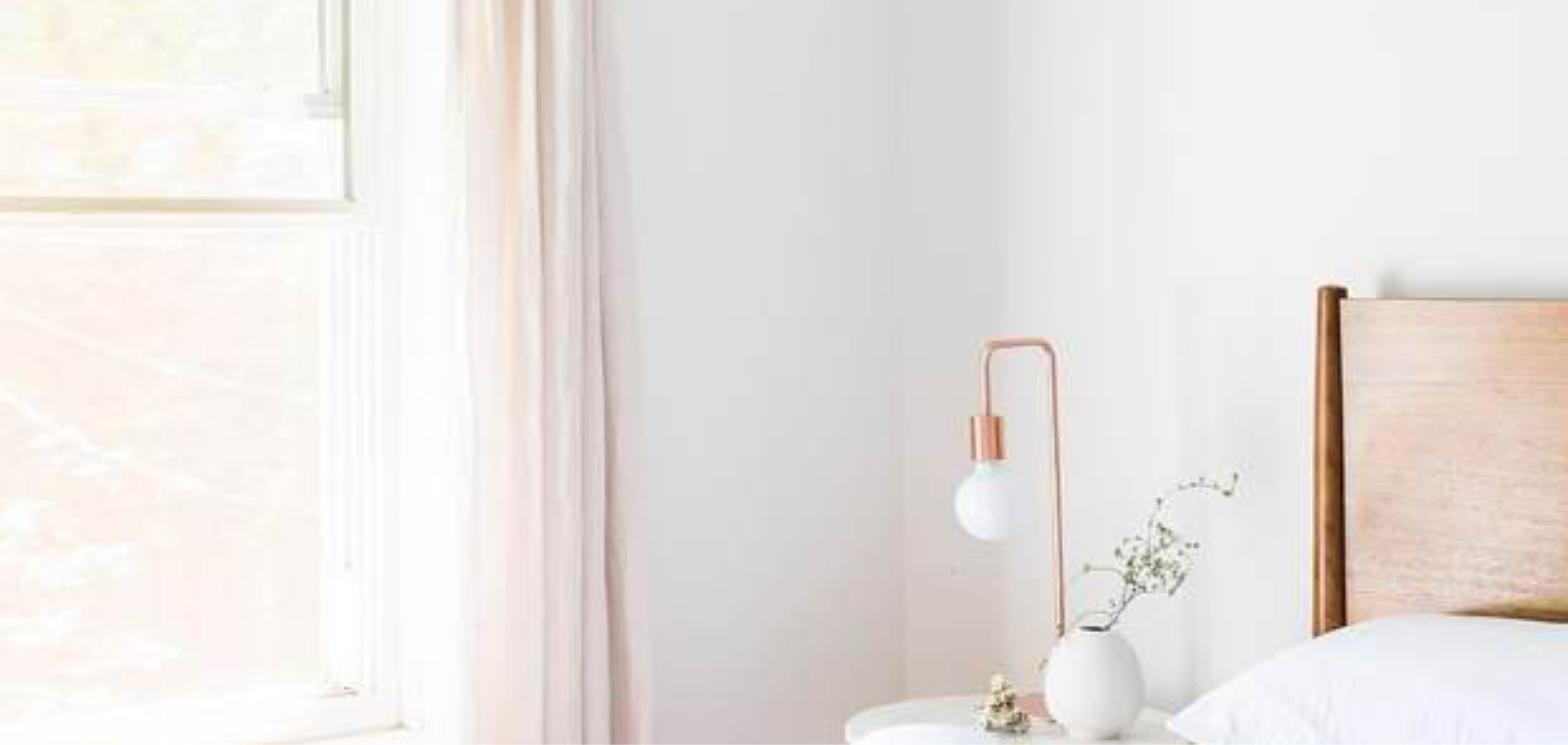
Nothing makes a small bedroom feel larger than light, both natural and reflected. Start with a pale, cohesive color palette, since soft whites, warm neutrals, and gentle pastels bounce light around and blur the edges of the room, making walls feel farther apart. Keep the ceiling light or white to draw the eye upward and add a sense of height. Let in as much daylight as you can with sheer curtains instead of heavy drapes, and place a mirror opposite or beside a window to double the light and create the illusion of extra depth. In the evening, layer a few warm light sources rather than relying on one harsh overhead bulb, so the room glows softly from several points. When light moves freely and colors stay calm and consistent, even a compact bedroom starts to feel open and serene.
In a small bedroom, clutter is the enemy of space, so smart storage does double duty by keeping surfaces clear and the room calm. Look for furniture that works harder than it looks: a bed with drawers underneath, an ottoman that opens up, or a nightstand with a shelf and a drawer. Use the vertical space you already have by hanging shelves high on the walls and choosing a tall, narrow wardrobe instead of a wide one. Keep the floor as open as possible, since visible floor space is what tricks the eye into reading a room as larger. Edit ruthlessly, store off-season clothes elsewhere, and give everything a home so surfaces stay clear. When storage is built in and clutter disappears, the whole room instantly feels roomier and more restful.
Where you place your furniture matters just as much as what you choose. In a small bedroom, the bed is the biggest piece, so position it thoughtfully, usually against the longest wall, to leave clear walking paths and open sightlines across the room. Avoid blocking the window or the natural flow into the space, and resist the urge to push everything against the walls, which can actually make a room feel boxed in. Choose a few pieces that fit the scale of the room rather than cramming in oversized furniture, and let a little empty space remain, since breathing room is what makes a small space feel intentional rather than crowded. A few simple layout habits keep a small bedroom feeling open:
The best small bedrooms do not just look bigger; they feel calm, cozy, and personal. Once you have opened up the space with light, storage, and a smart layout, add the finishing touches that make it yours: a soft rug, layered bedding, and one or two pieces of art rather than a dozen. Keep decoration simple and intentional, since a few well-chosen items feel far more restful than a room packed with clutter. Remember that a small bedroom has a real advantage, as it is easy to make cozy and quick to keep tidy. Embrace the coziness instead of fighting it, and you end up with a room that feels both bigger and more inviting. With a little thought, even the smallest bedroom can become the calm, restful retreat you look forward to at the end of the day.