
Most people know what healthy eating looks like; the hard part is making it last. Crash diets and strict rules rarely survive a busy week, which is why so many attempts fail. The secret is building small, sustainable habits rather than chasing quick fixes. Here is how to develop healthy eating habits that actually stick.
Trying to overhaul your entire diet overnight almost always backfires. Instead, pick one or two small changes, like adding a vegetable to lunch or swapping sugary drinks for water, and let them become automatic before adding more. Small wins build momentum and confidence. This gradual approach is the most reliable way to build better habits, because changes you barely notice are the ones you keep.
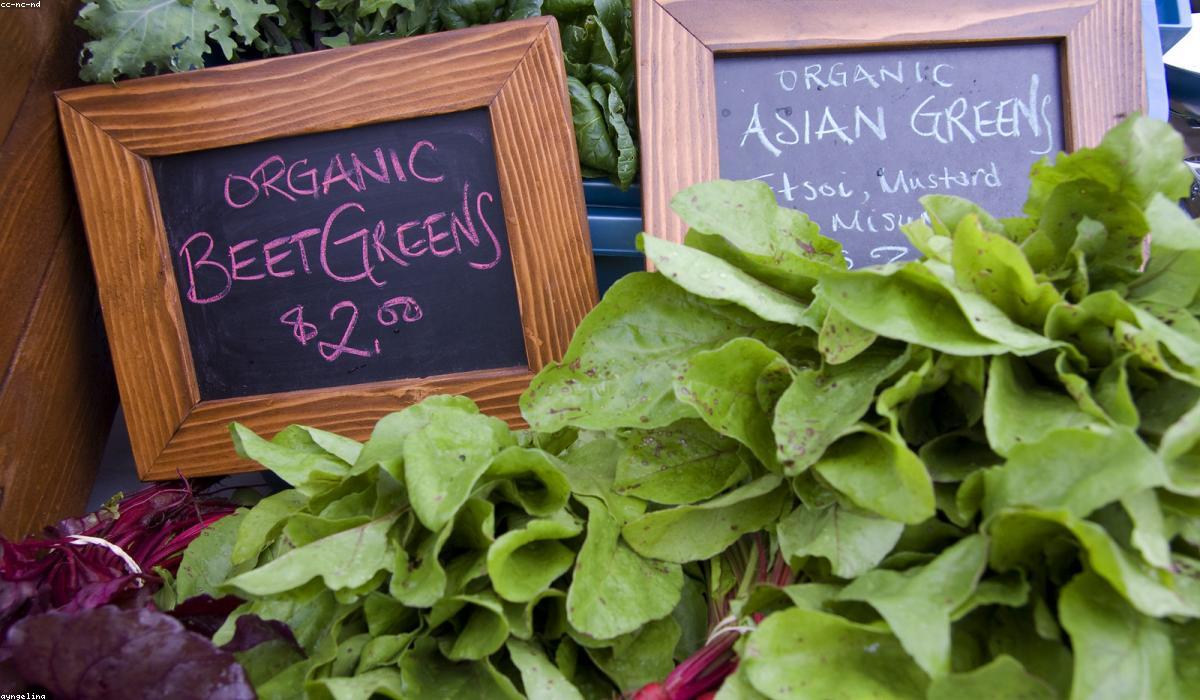
Healthy eating feels restrictive when it is only about cutting things out. Flip it around and focus on adding good things: more vegetables, more whole foods, more water, more variety. As the nourishing foods crowd out the less healthy ones, your diet improves naturally. These simple healthy diet tips feel positive rather than punishing, which makes them far easier to stick with over the long term.
We eat what is convenient, so make the healthy choice the easy one. Keep fruit and nuts visible, prep vegetables in advance, and stock your kitchen with good ingredients so nutritious meals take minimal effort. When healthy food is the path of least resistance, you will reach for it automatically. Designing your environment to support you is more powerful than relying on willpower alone.
A little planning removes the temptation to grab whatever is quickest when you are hungry and tired. Plan a few meals for the week, keep healthy snacks on hand, and prep ingredients in advance. Having a healthy food routine means you are not making decisions on an empty stomach, which is when good intentions usually crumble. Preparation turns healthy eating from a daily battle into a default.
Rigid, all-or-nothing rules set you up to fail. If you enjoy a treat or have an off day, that is normal, not a reason to give up. Sustainable eating leaves room for the foods you love in moderation, which stops you feeling deprived and bingeing later. A balanced, flexible approach is far more livable, and livable is exactly what makes a habit last for years rather than weeks.
Real change is gradual. Habits form through repetition, so focus on consistency rather than perfection, and give yourself time. Do not judge your progress by a single day or week. If you keep showing up and making mostly good choices, the results follow. Learning how to eat healthier for good is a slow, steady process, and patience is what carries you through it.
Healthy eating habits stick when you start small, focus on adding good foods, make the healthy choice easy, plan ahead, and stay flexible and patient. Build the habits gently and they will last a lifetime. For more food and lifestyle tips, explore Tripziva.